
Museum Accreditation
Achieving museum accreditation is a mark of excellence, demonstrating a commitment to best practices in collections care, visitor experience, and institutional management. In Ireland, the Museum Standards Programme for Ireland (MSPI), administered by the Heritage Council, provides a structured framework for museums to improve and maintain professional standards. It focuses on key areas such as collections management, environmental monitoring, conservation planning, and public engagement, helping institutions safeguard their collections for future generations.
In Northern Ireland, the Museum Accreditation Scheme, managed by the Northern Ireland Museums Council (NIMC), aligns with UK-wide standards and ensures museums operate sustainably while providing high-quality care for their collections. The scheme emphasises governance, collections care, and public service, supporting museums in maintaining high professional standards.
Both accreditation programs help museums enhance their reputation, access funding opportunities, and build public trust. Meeting these standards requires the right tools and materials, from archival storage and pest management to climate control and display labelling. By investing in the correct conservation and environmental monitoring equipment, museums can achieve and uphold accreditation, ensuring their collections remain protected and accessible for years to come.
MSPI Standards
Achieving and maintaining full accreditation under the Museum Standards Programme for Ireland (MSPI) involves adhering to professional standards in collections care, environmental monitoring, and preventive conservation. While the MSPI doesn’t prescribe specific products, the following tools and materials are commonly used by museums to meet these standards:
Environmental Monitoring and Control:
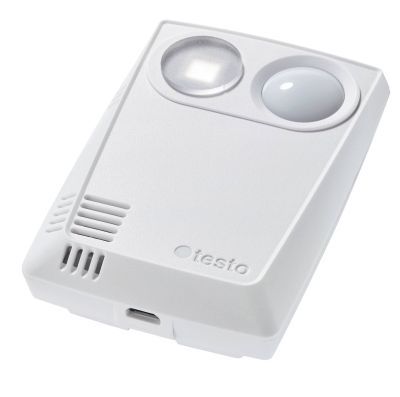
- Temperature and Humidity Data Loggers: Devices that continuously record environmental conditions, helping to maintain stable climates for sensitive collections.
- Thermo-Hygrometers: Instruments that measure and display current temperature and humidity levels.
- Humidity Indicator Cards: Simple tools that provide visual confirmation of humidity levels within storage enclosures.
- Lux and UV Light Meters: Devices used to measure light intensity and ultraviolet radiation, ensuring that exposure remains within safe limits to prevent material degradation.
- Humidity Control Materials: Such as silica gel packs or ProSorb, used to stabilize humidity levels within display cases or storage areas.

Pest Management:
- Insect Traps and Monitors: Sticky traps and pheromone-based monitors to detect and manage pest activity, crucial for protecting organic materials.
- Integrated Pest Management (IPM) Supplies: Materials such as freezer units for pest eradication, sealable polyethylene bags, and airtight storage containers to isolate and treat infested items.
Storage and Handling:
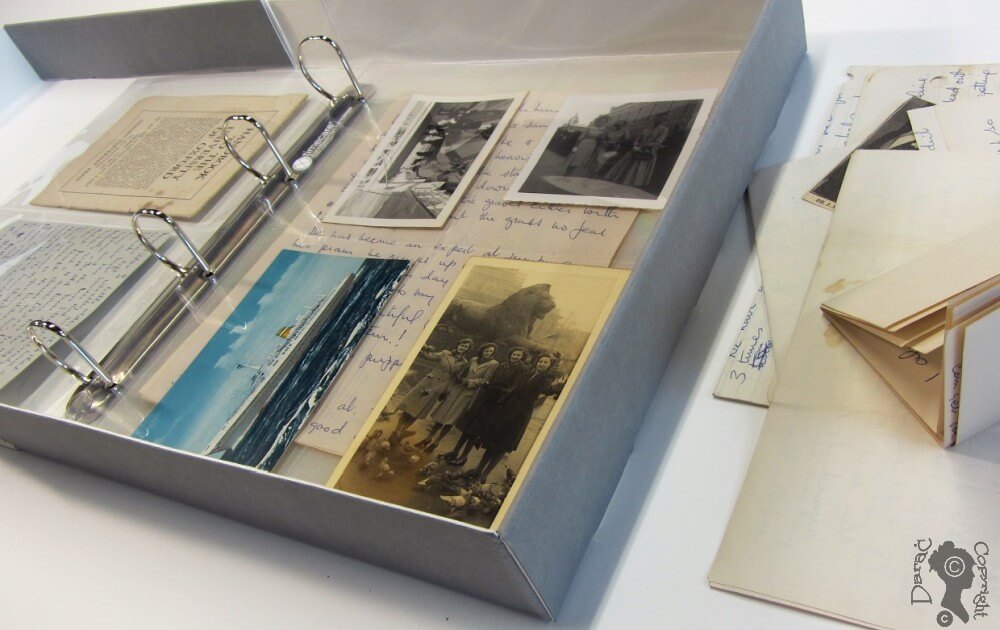
- Acid-Free Archival Boxes and Folders: Containers that provide safe, long-term storage for documents, photographs, and artefacts, preventing acid migration and deterioration.
- Protective Enclosures: Polypropylene sleeves, Tyvek covers, and custom-made supports to shield items from dust, light, and physical damage.
- Conservation-Grade Tissues and Foams: Materials used for cushioning and supporting artifacts, ensuring they remain in a stable condition during storage and handling.

Disaster Preparedness:
- Disaster Response Kits: Assemblies of essential supplies such as blotting paper, sponges, plastic sheeting, and gloves, enabling prompt action in the event of water ingress or other emergencies.
- Fire and Water Detection Systems: Alarms and sensors that provide early warning of environmental hazards, allowing for swift intervention to protect collections.
Documentation and Security:
- Collections Management Software: Digital tools for cataloging and tracking items, facilitating efficient management and accessibility of collection data.
- Security Systems: Surveillance cameras, motion detectors, and controlled access solutions to safeguard valuable and sensitive artefacts.
- Labelling: Correct labelling relating to the accession registers, often using Tyvek tags for items where attaching a tag is appropriate, or ink and Paraloid B72 for items requiring marking directly onto the piece.

Accreditation Essentials curated by Darac
For over 20 years, Darac has worked with museums across Ireland, providing the essential materials needed to achieve and maintain accreditation under the MSPI and NIMC Museum Accreditation schemes.
Drawing on our experience, we have carefully curated a collection of products that meet the highest professional standards, from archival storage and pest control to environmental monitoring and specialist conservation equipment.
Our expertise and trusted supplier network ensure that institutions have access to the best-quality materials, helping them protect and preserve their collections for generations to come.