
Relative humidity (RH) is the amount of moisture in the air relative to the maximum amount it can hold at a given temperature. In museum environments, maintaining stable RH levels is crucial for the long-term preservation of artefacts, as fluctuations can cause irreversible damage.
In Ireland, the naturally high humidity levels present a challenge for museums and archives. Excessive moisture can lead to mould growth, metal corrosion, and the warping of organic materials such as wood, parchment, and textiles. Conversely, air that is too dry can cause desiccation, leading to cracking and brittleness in items like paintings, leather, and ceramics. Variations in RH, rather than a consistent level, are particularly harmful, as they cause materials to expand and contract, accelerating deterioration.
To monitor RH, museums use data loggers, hygrometers, and automated environmental monitoring systems. Control measures include humidifiers and dehumidifiers, HVAC systems with humidity control, and passive solutions such as silica gel or microclimate enclosures. Proper insulation, controlled ventilation, and careful display case design also help stabilise RH. By maintaining RH within recommended levels—typically 40–60% for mixed collections—museums in Ireland can ensure the long-term preservation of their cultural heritage.
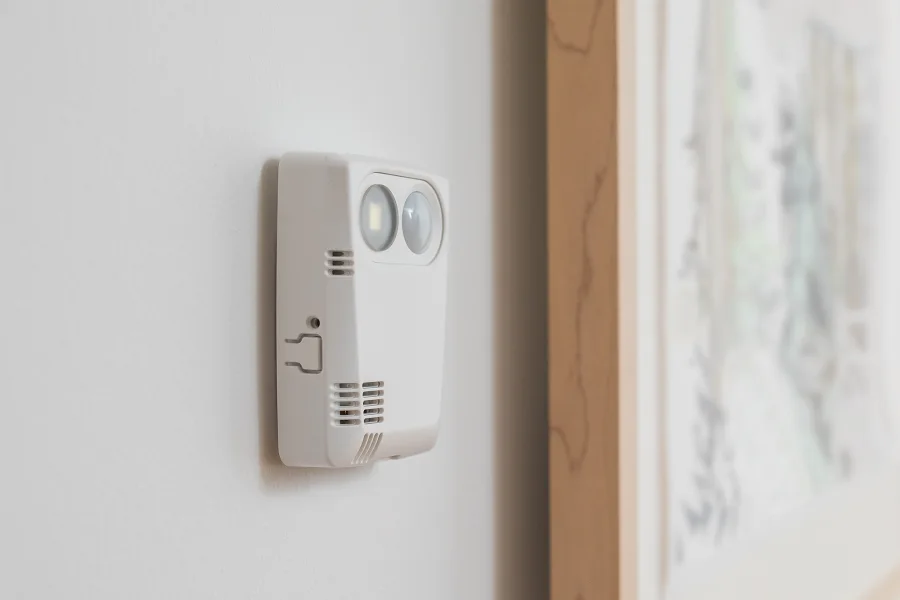
Monitoring relative humidity (RH) in museums relies on precision instruments like data loggers and thermohygrometers.
Data loggers continuously record RH and temperature over time, storing data for later analysis. They provide valuable insights into environmental trends, allowing curators to identify fluctuations that could harm artefacts. Wireless and USB models enable real-time monitoring and remote access to data.
Thermohygrometers offer instant readings of temperature and RH. These handheld or wall-mounted devices are useful for spot-checking conditions in display cases, storage areas, and galleries. Combining both tools ensures a proactive approach to environmental control, helping museums maintain stable conditions.
Humidity Indicator Cards (HICs) provide a simple, cost-effective way to monitor relative humidity levels in storage enclosures. These colour-changing cards react to moisture in the air, offering a quick visual reference for museum staff to assess conditions and determine if further humidity control measures are needed.
Active humidity control in museums relies on specialised equipment to maintain stable relative humidity (RH) levels and prevent damage to artefacts.
Dehumidifiers reduce excess moisture, protecting collections from mould, corrosion, and warping, while humidifiers add moisture to prevent desiccation and cracking in organic materials.
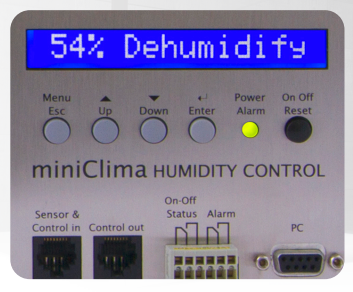
For comprehensive control, HVAC systems with humidity regulation manage RH across entire museum spaces. More precise solutions include systems such as the MiniClima humidity control units, which are designed for display cases and storage enclosures. These compact machines regulate RH with high accuracy, providing a stable microclimate for sensitive objects. Regular monitoring ensures optimal conditions and long-term preservation.

Passive humidity control in museums relies on moisture-absorbing materials to stabilise relative humidity (RH) without mechanical intervention. ProSorb and ArtSorb are silica-based humidity buffering agents designed to maintain a specific RH level within display cases and storage enclosures. These materials absorb and release moisture as needed, helping to prevent harmful fluctuations.
Orange Silica Gel functions as an indicator desiccant, changing colour as it absorbs moisture, making it useful for monitoring humidity shifts. While passive control is most effective in sealed environments, it is often used alongside active systems to enhance RH stability and protect delicate artefacts from environmental changes.
Disclaimer: The information provided on this website is for general guidance only. While we strive to ensure accuracy, Darac accepts no responsibility for how this information is used. If in doubt, always consult a qualified professional before taking action.