
Creating a Positive Visitor Experience in Museums
A museum visit should be memorable, meaningful, and accessible for all. While collections and exhibitions are at the heart of the museum, the comfort, orientation, and engagement of visitors play a major role in how people experience and remember their time there. Every detail—from signage to seating—can contribute to a more enjoyable and inclusive visit.
Comfort and Facilities
Visitor comfort starts with the basics. Museums should offer places to rest, reflect, and recharge:
Seating: Strategically placed benches or chairs throughout the museum allow visitors to pause, especially important for older visitors, families with children, or anyone with limited mobility. Soft seating near key artworks or windows can encourage quiet contemplation.
Toilets and Water Access: Clearly signposted and easily accessible toilet facilities are essential. Offering drinking water, even just a simple fountain, is a considerate and increasingly expected gesture.
Café and Food Options: If space allows, a café provides a social hub and a moment of rest. Ideally, it should be located partway through the visit or at the end, offering a natural break in the visitor journey.
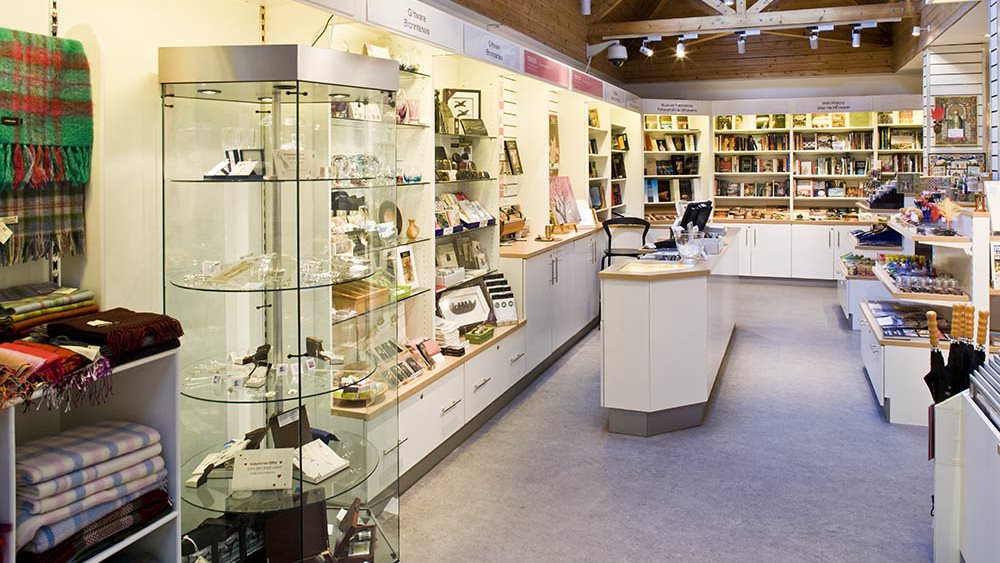
Museum Shop: The shop is both a commercial opportunity and a memory-making one. Thoughtfully placed at the exit, it offers a chance for visitors to reflect on what they’ve seen and take a piece of it home.
Accessibility and Inclusion
An inclusive museum welcomes everyone, regardless of age, ability, or background. Considerations include:
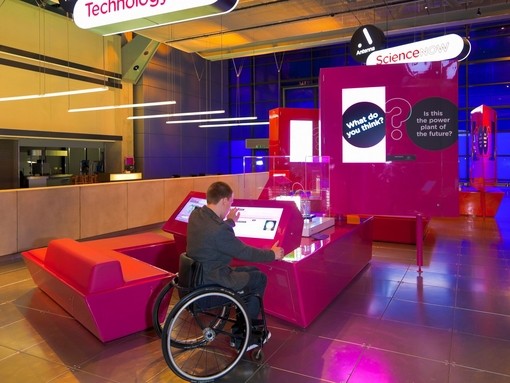
Physical Access: Step-free entry, lifts between floors, ramps, wide doorways, handrails, and well-maintained surfaces are essential for visitors with mobility needs or those using prams.
Object Display Height: Artefacts should be displayed at heights accessible to both adults and children, and viewable from seated or wheelchair positions.
Lighting: Good lighting supports readability and object visibility, but should avoid glare or overly harsh contrasts, especially for visitors with visual impairments.
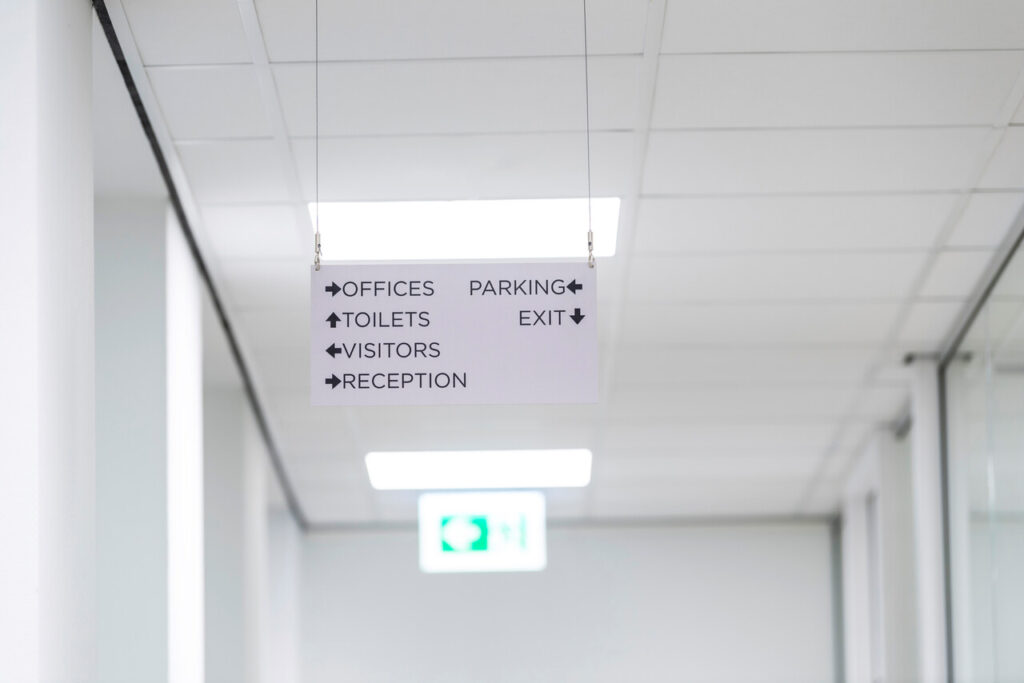
Signage: Clear, consistent signage helps visitors orient themselves. Fonts should be legible and large enough to read easily, with good contrast between text and background.
Multisensory Engagement: Where possible, offering audio guides, tactile displays, or interactive digital elements can enhance understanding and accommodate different learning styles.
Language and Translation: Even simple translations or icon-based signage can make the museum more welcoming to international visitors.
Welcome and Wayfinding
The first impression matters. A warm welcome at reception or the front desk sets the tone. Staff and volunteers should be clearly identifiable and trained to offer help proactively.
Orientation Maps and Guides: Whether printed or digital, a good museum map helps visitors plan their time and find areas of interest. Signage should be frequent and reassuring, especially in large or complex buildings.
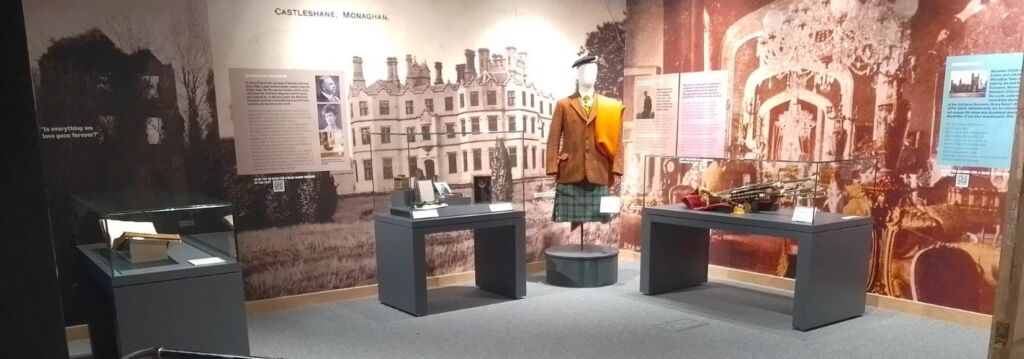
Theming and Zoning: Thoughtfully designed exhibition zones, colour-coded areas, or story-based navigation can help visitors understand where they are and what they’re looking at, encouraging exploration without confusion.
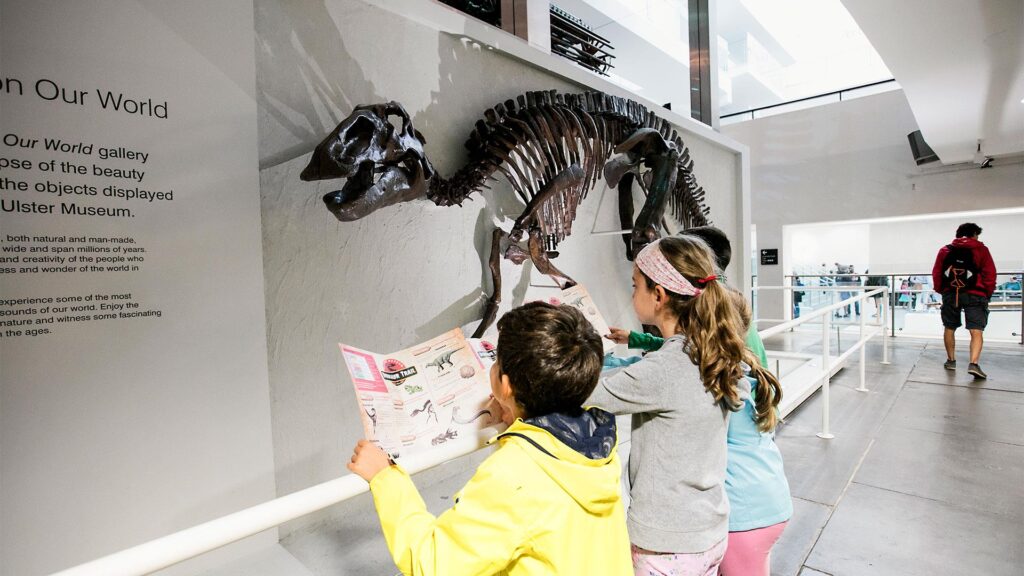
Tailoring the Experience
Museums increasingly recognise that one size doesn’t fit all. Wherever possible, offering visitors the opportunity to tailor their visit adds value:
Personalised Paths: Options for short, medium, or in-depth visits help people plan their time based on their interests and energy.
Family Trails or Quiet Times: Special routes or sessions for families, neurodiverse visitors, or school groups support different kinds of engagement.
Interactive Elements: Whether it’s a digital guide, activity sheet, or an invitation to leave a response, interactive elements draw visitors in and encourage active participation.
Outdoor Spaces and the Circular Economy
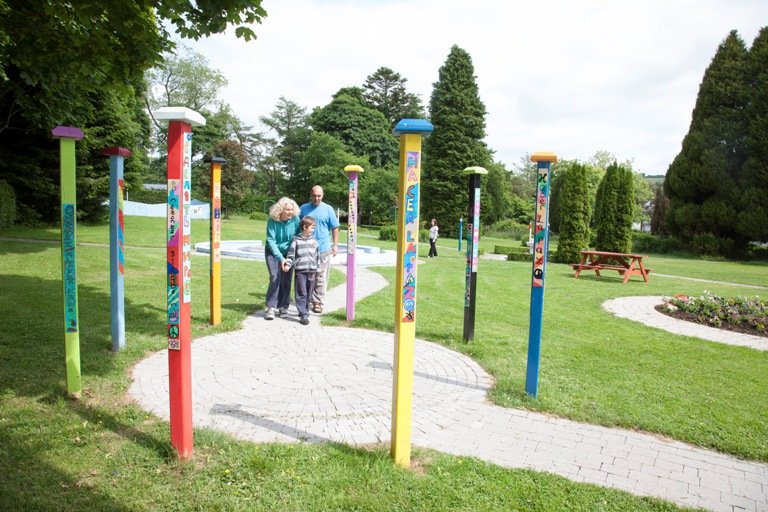
Museums don’t stop at the gallery doors. Thoughtfully designed outdoor areas—gardens, courtyards, walking trails, or even picnic spots—extend the visitor experience and create opportunities for connection with nature. These spaces can offer moments of rest, play, or reflection, and support wellbeing through access to fresh air and greenery. Where possible, museums can incorporate native planting, pollinator-friendly landscaping, and sensory gardens, enriching the setting while supporting local biodiversity. Sustainability can also be embedded in outdoor and operational choices—using reclaimed or natural materials in landscaping, composting organic waste, harvesting rainwater, or offering recycled or reusable items in the shop and café.
Museums have an opportunity to lead by example in the circular economy—reusing, reducing waste, and making thoughtful decisions that benefit both community and climate. Through exhibitions, programmes, and practice, they can inspire visitors to think differently about their relationship with the environment.
Disclaimer: The information provided on this website is for general guidance only. While we strive to ensure accuracy, Darac accepts no responsibility for how this information is used. If in doubt, always consult a qualified professional before taking action.