
Archival Treatment and Storage of Numismatic Collections
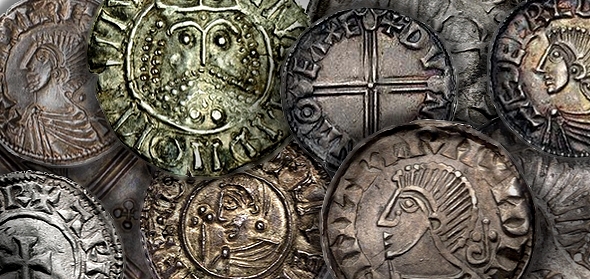
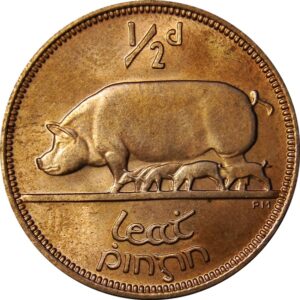
Numismatic collections in Irish museums often include coins, tokens, medals, and banknotes that span centuries of history, from early Celtic coinage to medieval silver pennies, 18th-century trade tokens, and modern commemorative issues. Proper archival treatment and storage are essential to preserving these valuable artifacts, preventing deterioration from environmental factors such as humidity, pollutants, and handling.
The archival process typically involves three key stages: assessment, where items are examined for signs of corrosion, damage, or contamination; conservation, which may include gentle cleaning, stabilisation, and protective treatments; and storage, where items are housed in acid-free enclosures, inert holders, or climate-controlled environments to ensure long-term preservation.
By following best practices in archival care, museums can safeguard numismatic collections for future research, display, and public engagement.
Assessment
The first step in the archival care of a numismatic collection is a thorough assessment to identify any signs of deterioration, corrosion, or contamination. Coins, medals, and banknotes are particularly vulnerable to environmental factors, improper handling, and past storage conditions.
- Corrosion is a common issue, especially in metal objects, manifesting as verdigris (a green patina on copper alloys), rust on iron-based coins, or black tarnish on silver.
- Damage may include surface abrasions, edge chipping, or bending, which can occur due to improper stacking or mishandling.
- Contamination can take the form of mould growth, insect residues, or chemical residues from past cleaning attempts.
- Assessment should be conducted under good lighting with magnification tools such as a jeweller’s loupe or digital microscope.
- pH indicator strips can be used to detect acidity in paper-based numismatic items, while UV light can reveal hidden damage such as water stains or past repairs.
- Nitrile gloves should be worn to prevent oils from the skin transferring to objects.
Detailed records should be kept, noting the condition of each item and any immediate conservation needs. A careful and systematic assessment ensures that any necessary preservation steps are taken before long-term storage.
Conservation
Once a numismatic collection has been assessed, conservation measures may be necessary to stabilise and protect items from further deterioration. Coins and medals can suffer from corrosion, tarnishing, or encrustations, which may require careful cleaning using appropriate methods. Vulpex liquid soap, diluted in distilled water or white spirit, is a gentle yet effective cleaner for metal objects, while ethanol or acetone can be used to remove surface contaminants. If additional protection is required, a thin layer of microcrystalline wax can be applied to metal surfaces to create a protective barrier against moisture and pollutants.
For banknotes and paper-based numismatic items, conservation focuses on stabilisation rather than cleaning. Acid-free archival paper and polyester sleeves provide safe storage without introducing harmful chemicals. If a banknote has surface dirt, a conservation-grade rubber or smoke sponge can be used to lift debris gently. Deacidification sprays, such as those containing magnesium oxide, can help neutralise acidic degradation. All treatments should be minimal and fully documented to maintain the integrity and provenance of each item. By following these conservation best practices, numismatic collections can be preserved in a stable condition for future study and display.
Storage & Display
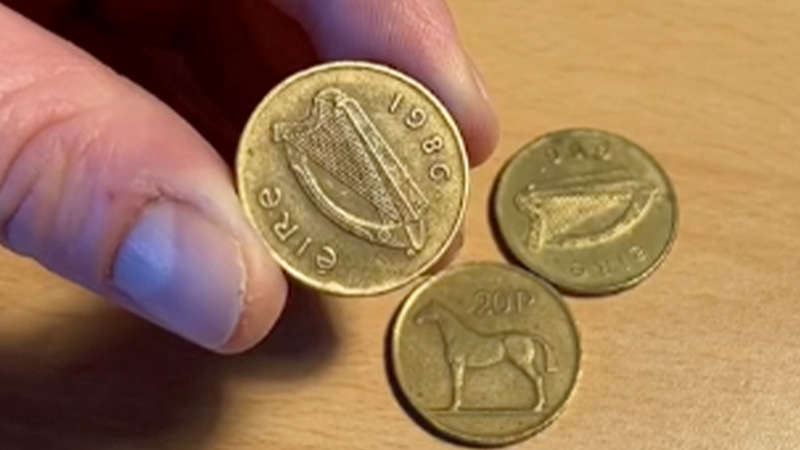
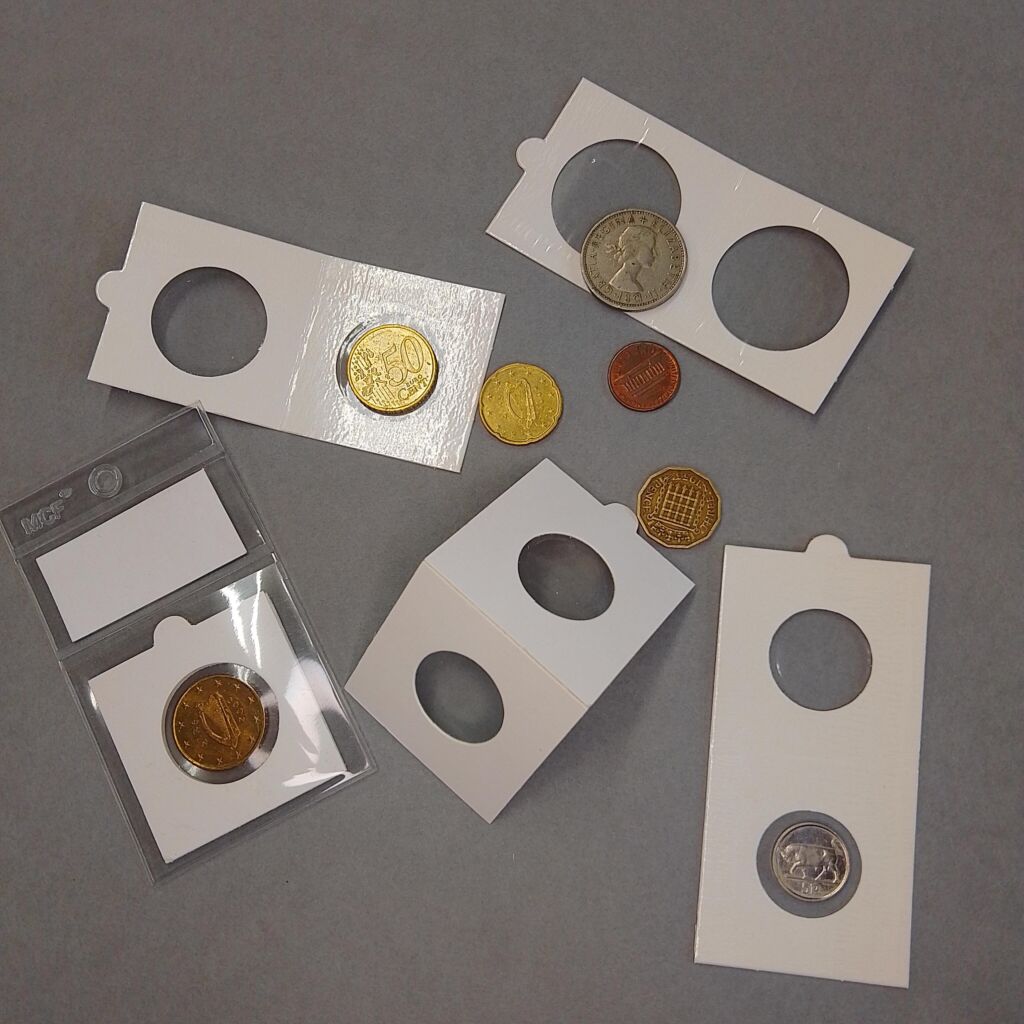
Proper storage and display are essential for the long-term preservation of numismatic collections, protecting them from physical damage, environmental factors, and light exposure. For coins and medals, individual Darac Coin Holders provide a secure and archivally safe storage option, minimising handling risks. Transparent pouches and transparent album pages allow for easy viewing while keeping items protected from dust, fingerprints, and airborne pollutants. Banknotes and other paper-based numismatic items should be stored in transparent archival pockets, ensuring they are housed in a pH-neutral, acid-free environment to prevent deterioration.
When displaying numismatic items, care must be taken to avoid prolonged exposure to UV light, which can cause fading and weakening of paper-based objects. Light levels for banknotes and other paper money should not exceed 50 lux, with UV radiation kept below 75 microwatts per lumen. Coins should be displayed in a way that prevents abrasion or direct contact with harmful materials. Darac can provide bespoke display accessories and mounts, tailored to the specific needs of each collection, ensuring both safe display and professional presentation. By following best practices in storage and display, museums can ensure that their numismatic collections remain accessible, well-preserved, and visually engaging.
Disclaimer: The information provided on this website is for general guidance only. While we strive to ensure accuracy, Darac accepts no responsibility for how this information is used. If in doubt, always consult a qualified professional before taking action.