
Historical replicas are carefully crafted reproductions of artefacts, documents, or artworks designed to closely resemble the originals. These replicas play a vital role in museums, heritage sites, and educational institutions, allowing visitors to engage with history in a tangible way.
Replicas are particularly useful for handling and interactive displays, where original artefacts may be too fragile, rare, or valuable to be exposed to frequent contact. They also help in storytelling, offering a hands-on experience that deepens public understanding of historical objects, craftsmanship, and cultural heritage. Additionally, replicas serve as conservation tools, enabling museums to display accurate representations while protecting the originals from environmental damage, theft, or wear over time.
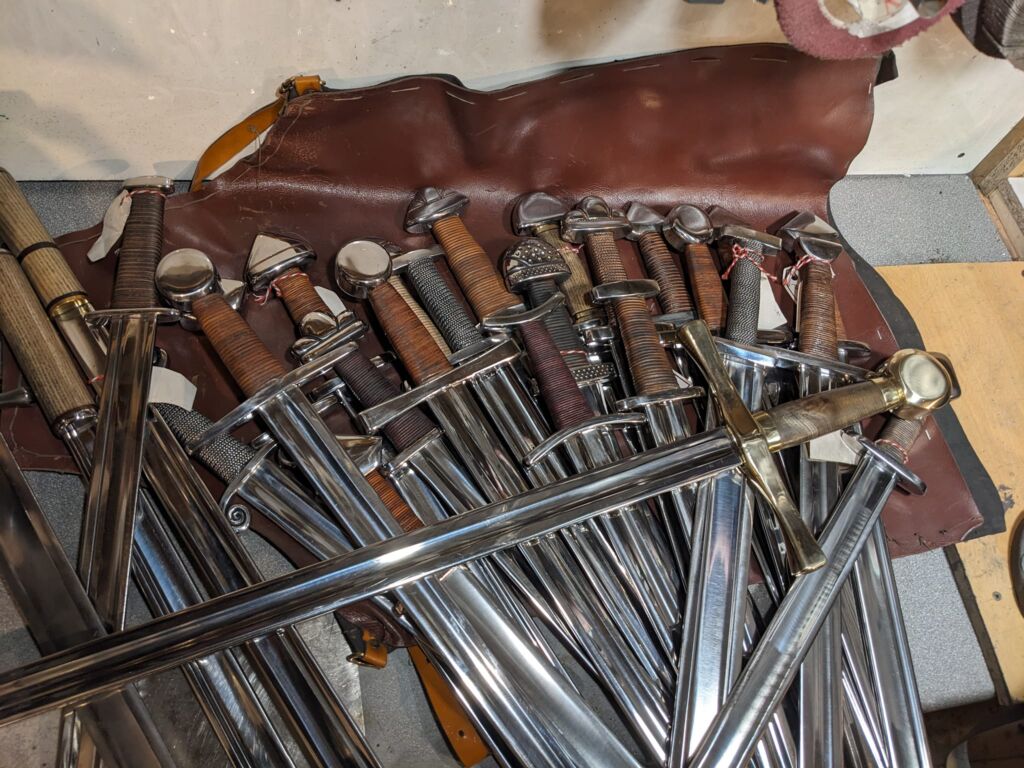
Replica Arms & Armour
Replica arms and armour play a crucial role in bringing Ireland’s military history to life, covering periods from the Bronze Age to the modern era. These reproductions allow museums, educators, and reenactors to showcase the evolution of weaponry while protecting original artefacts from damage.
In Bronze Age Ireland (c. 2500–500 BC), replicas of cast bronze swords, spears, and shields help illustrate early Irish metallurgy and warfare. The Iron Age (c. 500 BC–400 AD) saw the rise of iron swords and spears, often linked to Celtic warrior culture. Viking incursions (9th–11th century) introduced long swords and battle axes, while the medieval period (12th–16th century) featured chainmail, Irish ring-hilted swords, and gallowglass mercenary weaponry such as the two-handed claymore and battle axe.
During the 17th and 18th centuries, Irish rebels and Jacobite forces used pikes and early firearms, a tradition that continued into the 19th century with the Irish nationalist movements. Replicas of flintlock and percussion cap muskets from this period are valuable for living history demonstrations.
In modern history, replicas of 1916 Rising-era revolvers, Thompson submachine guns (used during the War of Independence), and firearms from the Troubles provide insight into Ireland’s complex military past while ensuring safe public interpretation.
Replica Textiles, Costume & Accessories
Replica textiles, costumes, and accessories are essential for interpreting Ireland’s rich cultural and social history, offering insight into clothing styles, materials, and craftsmanship across different periods. These reproductions allow museums and heritage sites to showcase historical dress without exposing fragile originals to damage, while also enabling hands-on engagement through reenactment and education.
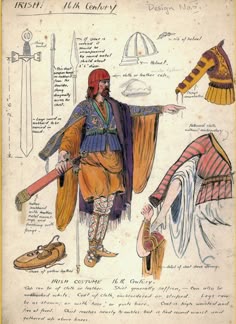
In prehistoric Ireland, wool and linen were the primary fabrics, with Brat cloaks and Léine tunics common among early inhabitants. Replicas of Iron Age bog bodies’ garments reveal intricate weaving techniques and early dyeing methods using native plants. The medieval period saw the rise of distinctive Irish clothing, such as the long, pleated léine worn with a woolen mantle and the elaborately embroidered garments of Gaelic nobility.
By the 16th and 17th centuries, Irish dress was influenced by European styles, but elements like the fringed Ionar jacket and saffron-dyed léine remained uniquely Irish. 18th- and 19th-century replica clothing includes peasant shawls, handwoven tweeds, and aristocratic attire reflecting Georgian and Victorian fashion trends.
Replicas of Aran jumpers, waistcoats, and linen dresses help illustrate working-class life, while fine lace shawls and bonnets showcase Ireland’s renowned lace-making tradition.
For more recent history, replicas of 1916-era uniforms, War of Independence clothing, and garments from the Troubles allow for immersive storytelling, offering insight into how fashion and function evolved alongside Ireland’s social and political landscape.
Replica Artefacts
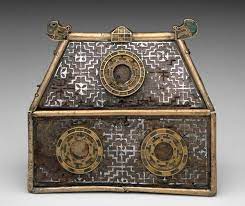
Replica artefacts provide invaluable insights into Ireland’s material culture, allowing museums and heritage sites to display accurate representations of everyday and ceremonial objects while preserving fragile originals. Jewellery replicas, such as torcs, brooches, and rings, highlight Ireland’s craftsmanship, from the intricate goldwork of the Bronze Age to the ornate medieval Tara Brooch and Claddagh rings. Furniture and household replicas, including early wooden crannóg stools, medieval chests, and 18th-century dressers, showcase changes in domestic life and craftsmanship. Reproductions of pottery, metalwork, and cooking implements help illustrate everyday activities, from early fulacht fiadh cooking to Georgian dining customs.
Replica flora and fauna, such as taxidermy or sculpted models, help interpret Ireland’s natural history, from extinct species like the giant Irish elk to native plants used in traditional medicine and dyeing. These reconstructions allow for hands-on learning and immersive displays, helping visitors connect with Ireland’s past through its objects and environment.
Disclaimer: The information provided on this website is for general guidance only. While we strive to ensure accuracy, Darac accepts no responsibility for how this information is used. If in doubt, always consult a qualified professional before taking action.