
Preserving Ireland’s Past: Caring for Historic Photographic Collections
Photographs are powerful historical records, capturing moments in time that might otherwise be lost. From the earliest cyanotypes and daguerreotypes to glass plate negatives, film photography, and today’s born-digital images, photographic collections provide invaluable insight into Ireland’s people, places, and cultural heritage.
Museums across Ireland hold diverse photographic collections, documenting everything from family life and industry to political events and social change. However, photographs are among the most fragile materials in any collection, vulnerable to light, temperature fluctuations, humidity, and chemical deterioration. Proper storage, handling, and display are essential to preserving these delicate records for future generations.
This page explores the different types of photographic materials found in museum collections, the challenges they face, and the best practices for their care and preservation. Whether your institution holds a small selection of prints or an extensive archive, understanding the unique needs of photographic collections is key to safeguarding these irreplaceable glimpses into Ireland’s past.
Long Term Storage
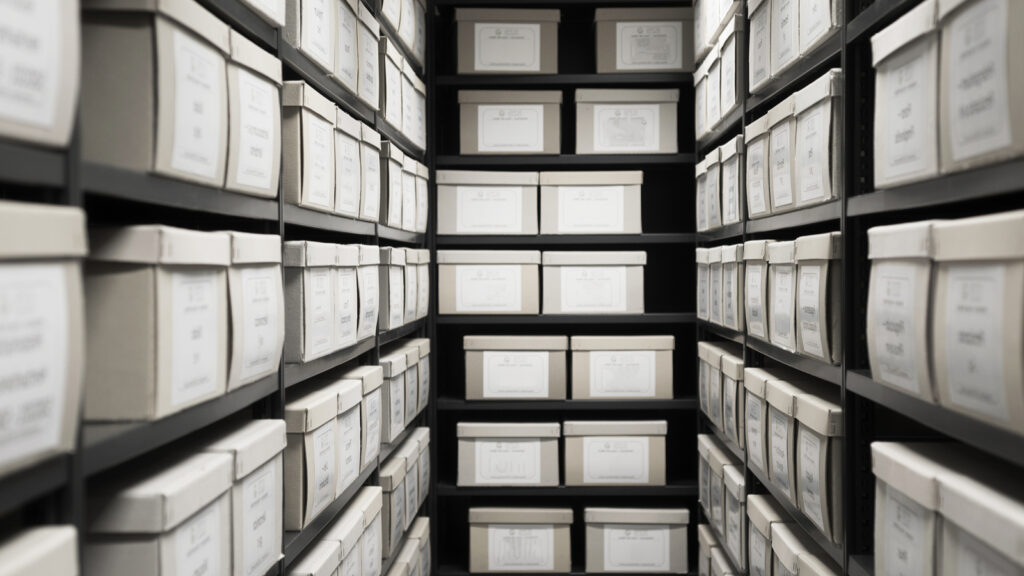
Proper long-term storage is essential for preserving photographic collections and preventing deterioration over time. Photographs are highly sensitive to environmental factors such as light, humidity, and chemical interactions, so selecting the right storage materials and conditions is key to ensuring their longevity.
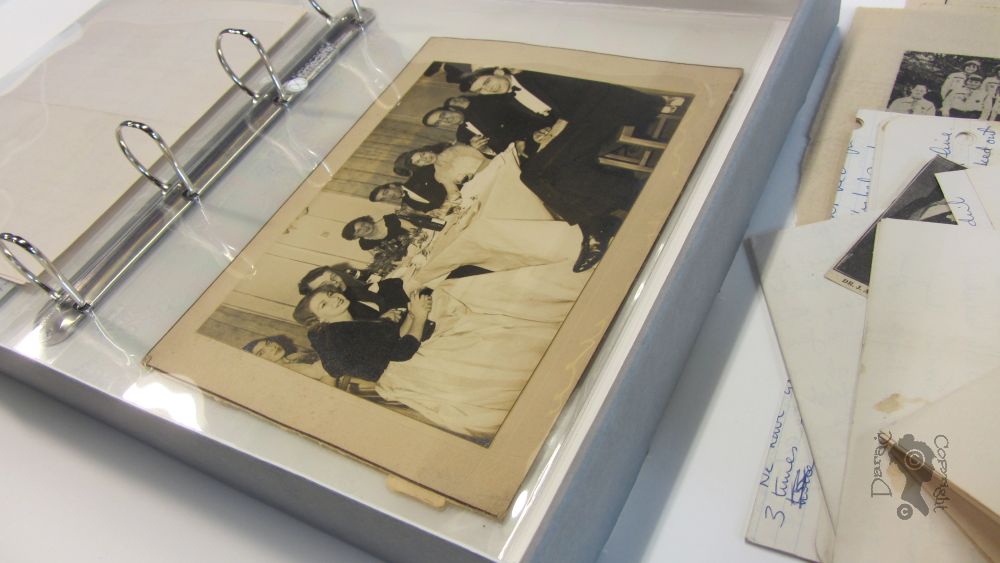
For standard-sized photographs up to 12″ x 10″, archival album boxes provide an ideal storage solution. These boxes, when combined with Mylar® (polyester) or polypropylene pocket pages, offer a safe and accessible way to store prints while protecting them from dust, handling, and chemical degradation. Specialized pocket pages are also available for slides and 35mm negatives, keeping them securely housed while allowing easy viewing and organisation.
Larger photographs—those exceeding 12″ x 10″—require oversized archival storage solutions. These may include flat storage in large archival boxes or individual protective sleeves made from acid-free materials. For particularly fragile or valuable items, buffered or unbuffered tissue paper may be used as an additional layer of protection.
Regardless of size, all photographic collections should be stored in a stable environment with controlled temperature and humidity. The recommended conditions for long-term preservation are:
- Temperature: Ideally between 15–18°C, with minimal fluctuations.
- Relative Humidity (RH): Between 30–40%, avoiding extremes that can cause warping, mold growth, or embrittlement.
- Dark storage: Limit exposure to light, particularly UV, to prevent fading and deterioration.
- Archival-quality enclosures: Always use acid-free, lignin-free materials to prevent chemical damage over time.
By following best practices for archival storage, museums can ensure that their photographic collections remain well-preserved and accessible for future generations
Identifying and Addressing Deterioration in Photographic Collections
When receiving photographs into an archive or rehousing an existing collection, it is essential to assess their condition for signs of deterioration. Common issues include fading, discoloration, silver mirroring (a metallic sheen on black-and-white prints), cracking, peeling emulsion, warping, and mould growth. Glass plate negatives may show signs of flaking emulsion, while acetate and nitrate film-based photographs can suffer from vinegar syndrome (a strong acidic smell and warping) or brittleness.
Immediate actions to mitigate further deterioration include:
- Isolating affected photographs to prevent damage from mould, acidic migration, or chemical degradation spreading to stable materials.
- Rehousing in archival enclosures, such as acid-free folders or Mylar® sleeves, to provide physical and chemical protection.
- Stabilising the storage environment, ensuring temperature and humidity levels are within recommended ranges (15–18°C and 30–40% RH).
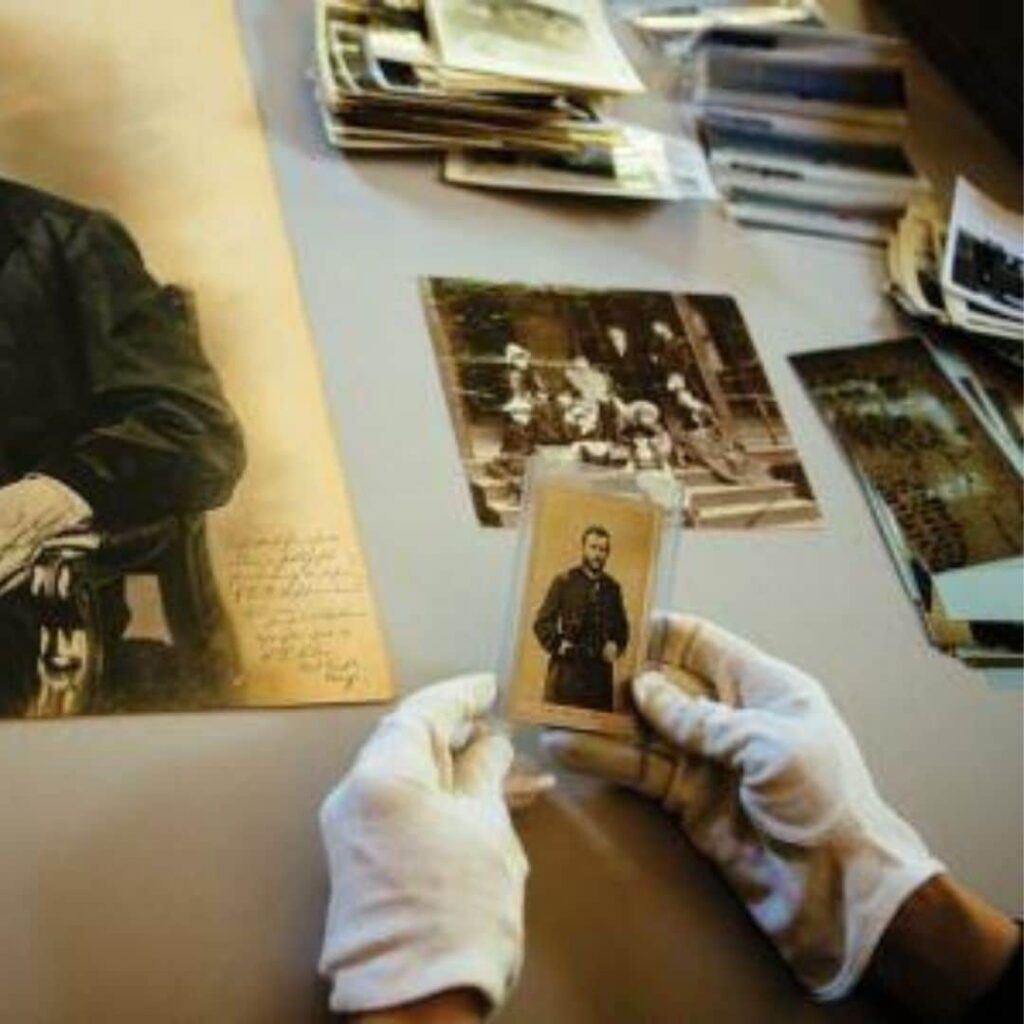
- Handling with clean, dry hands or gloves to minimise fingerprints, oils, and abrasions.
If a photograph is particularly fragile, historically significant, or has complex damage that could worsen without professional intervention, conservation treatment may be required. In such cases, institutions should refer to IPCRA (the Institute of Conservator-Restorers in Ireland) to find a qualified paper or photograph conservator. If a digital facsimile would not adequately serve the collection’s needs, professional conservation may be necessary to ensure the long-term survival of the original.
By taking prompt action when deterioration is identified, archives and museums can help extend the lifespan of their photographic collections and protect Ireland’s visual heritage.

Displaying Photographic Collections
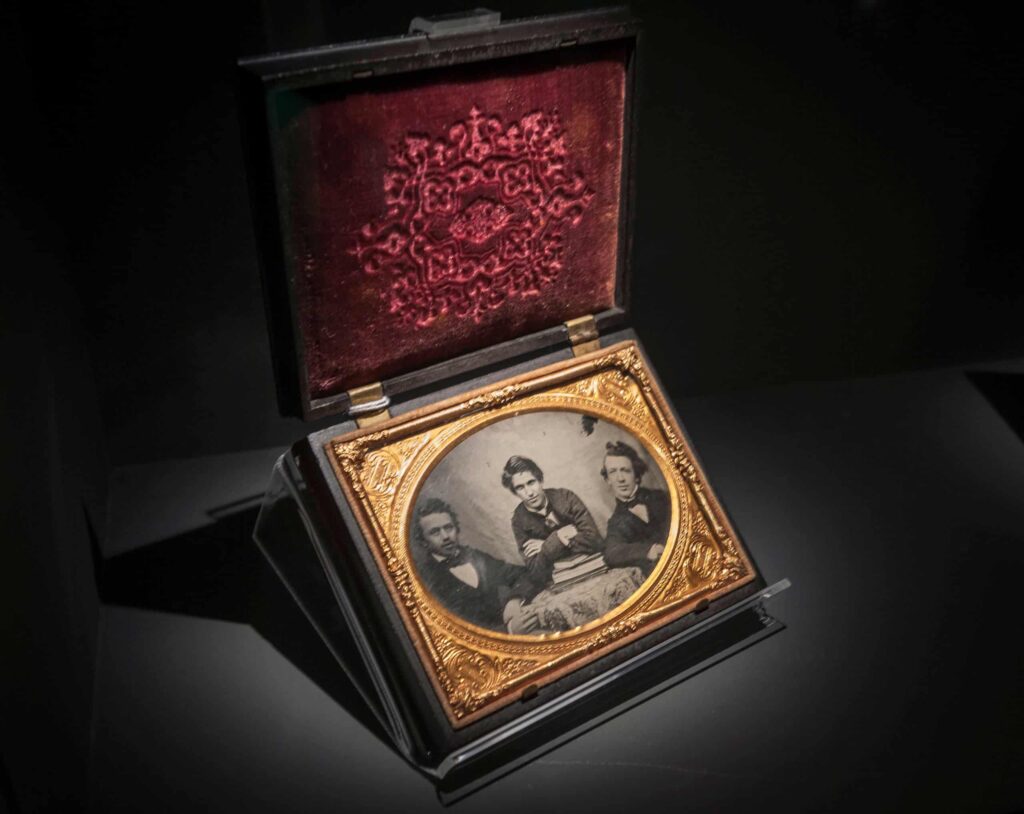
When displaying photographs in a museum or archive, careful consideration must be given to both their presentation and preservation. If using picture frames, these should be made from conservation-grade materials, ensuring that both the frame and mount are acid-free and stable. Photographs should never be in direct contact with the glass, as this can lead to foxing (brown spots caused by trapped moisture and mould)—instead, a mount or spacer should be used to create separation.
Another effective method of display is placing photographs behind glass in a display case, which protects them from dust and handling. When using this method, the photograph should be supported on a firm cushion or archival backing to prevent warping or curling over time.
Lighting is a critical factor in photograph display, as excessive exposure to light—particularly UV and high-intensity visible light—can cause fading and deterioration. The recommended light levels for photographic materials are:
- Black-and-white prints, glass plate negatives, and early cyanotypes: 50 lux or below
- Colour photographs and film-based materials: 30 lux or below
- UV light should be eliminated (use UV-filtering glazing in frames or cases)
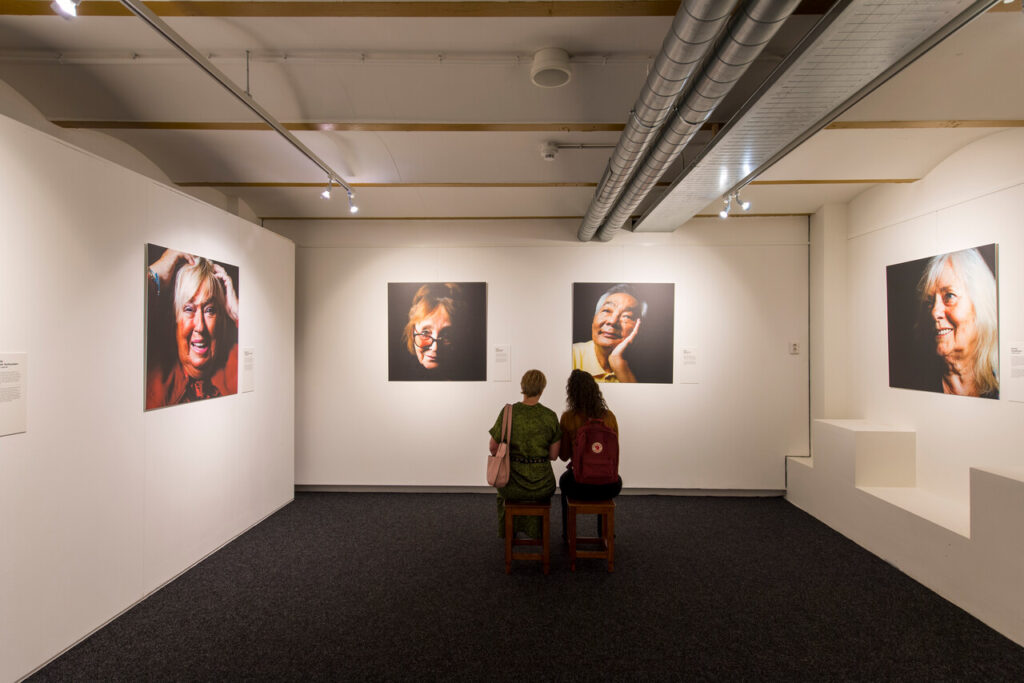
For more modern collections, digital projection can be an engaging way to display photographs, particularly for images of recent history. A projector displaying digitised photographs onto a blank wall or screen, accompanied by seating, allows visitors to take in the images comfortably. Including talking points or captions can encourage engagement, discussion, and reflection. This approach is also particularly effective for born-digital collections, ensuring they remain accessible while minimising exposure to degrading storage media.
By carefully considering framing, mounting, lighting, and digital display options, museums can both protect and present their photographic collections in a way that enhances visitor engagement while preserving these valuable historical records.
Born-Digital Photographic Collections
Born-digital photographic collections—whether crowd-sourced around a particular theme or gathered by the museum or archive itself—require thoughtful management to ensure their long-term preservation. Unlike physical photographs, digital images face risks such as format obsolescence, data corruption, and hardware failure, making careful storage planning essential.
Institutions must decide whether to print and archive selected images—a costly, time-consuming process requiring significant storage space—or to store them digitally on external drives, institutional servers, or cloud-based digital preservation platforms. Regardless of the method, regular backups, metadata documentation, and periodic file format updates are crucial for maintaining accessibility.
While the ease of digital storage may encourage institutions to retain everything, careful appraisal and selection should be undertaken. Prioritising images based on their historical, cultural, or research value ensures that future stakeholders inherit a well-curated collection rather than an overwhelming volume of redundant material. By making informed choices about preservation, museums can safeguard born-digital collections as vital resources
Disclaimer: The information provided on this website is for general guidance only. While we strive to ensure accuracy, Darac accepts no responsibility for how this information is used. If in doubt, always consult a qualified professional before taking action.